Ghana’s Unknown Traditional Dances
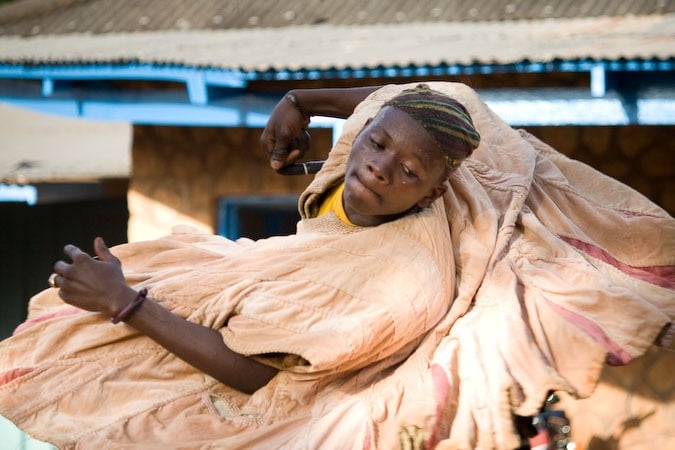
Dance and music shape cultures, contribute to a community’s DNA and tell stories embedded in movement and gestures.
In Ghana, traditional dances function more than artistic expression but also serve as historical documents, social commentary, and spiritual practice. Many originated in specific contexts like warfare, courtship, and royal ceremony before evolving into broader cultural hallmarks that continue to shape Ghanaian identity today.
We explore Ghanaian traditional dances within individual tribes that have not received as much recognition as more popular dance forms such as Adowa, Kpalogo, Bamaya, Apaatampa, Agbadza, and others.
Atsiagbekor
The Ewe people developed this dance as preparation for battle, with songs recounting their long migration from present-day Benin and Togo into Ghana's coastal regions. The relationship between lead drummer and dancers mirrors military hierarchy and coordination. Today, you're more likely to encounter “Atsiagbekor” at a funeral or community celebration than on any battlefield, though the precision and discipline remain unchanged.

Also from the Ewe tribe, Adzogbo”, originally called “Dzovu” originated from the Dahomey Kingdom, present day Benin Republic. This dance tradition centers on the display of protective charms known as “dzoka”, objects believed to shield dancers from harm. While the spiritual elements aren't as obvious as before, the older practitioners remember when dancers would not perform without proper spiritual preparation and the blessing of traditional priests.
Adzogbo


Asaadua
“Asaadua” remains largely confined to the Ashanti and Ahafo regions of central Ghana. The name references the “asaa” tree, which produces sweet fruit in the forest zone. Dancers move with a lightness meant to evoke the pleasant taste of this fruit, though urban Ghanaians outside these regions might never encounter the performance.
Jera
“Jera” belongs primarily to the Dagomba people of northern Ghana, originating with the Kparibas ethnic group in the Dagbon kingdom. The dance maintains strong connections to traditional religious practices, with performers still wearing ritual costumes during important occasions. Unlike many dances that have secularized over time, “Jera” maintains its spiritual dimensions even when performed at community gatherings.

Takai
The Takai dance is the exclusive domain of male royalty. Chiefs and princes perform it during major festivals like Damba, which celebrates the birth of the Prophet Muhammad among northern Ghana's Muslim communities. The restricted nature of takai reinforces social hierarchies, with movements and formations that display power and authority.
Dances of Courtship
Sanga carries rhythmic patterns suggesting northern Ghanaian origins, with dancers circling and approaching each other in patterns of advance and retreat.
Sikyi takes courtship display further into theatrical territory. Dancers strut and bob, alternating between elegant sophistication and playful innocence. The movements shift between confidence and vulnerability, between aggression and tenderness. Older generations sometimes view “Sikyi” as marking young people's entry into sexual maturity.